AI-Driven Personalization Meets Human Strategy: The Secret Sauce Behind Profitable eCommerce PPC
- jax5027
- Aug 14
- 5 min read
Fall interactions and outputs need
Is your eCommerce PPC just “set it and forget it”? Or do you genuinely believe Google and Meta’s algorithms are out there sweating for your ROAS? It’s 2025. The best eCommerce brands have realised it’s less about handing over the keys to some AI robot overlord, and more about combining those freaky machine-learning powers with the sceptical, creative, and slightly suspicious minds of human marketers. If you want scalable profit, that’s your ultimate PPC secret sauce.
The Power of AI-Enhanced Audience Targeting
Let’s cut to the chase: Google, Meta, and every tech giant under the sun feed their PPC engines with data, and then use AI to spit out audience segments most of us never even imagined. Machine learning deciphers behaviour, intent, demographics, shopping patterns—even the time someone last argued over an Air Fryer in the comments section.
Here’s the kicker: this is all done at mind-bending scale and at the speed of, well, AI. Audience segments are sliced with precision, so you’re delivering ads to the people who are genuinely likely to buy, not just those who enjoy clicking shiny banners for sport.
Amazon’s ad stack remains a case study in relevance. By analysing what your customers browse, buy, and loathe, it pumps out product recs ruthlessly tailored to their interests—which is why the “Inspired by your shopping trends” bar is an unsubtle goldmine. This goes way, way beyond basic retargeting.
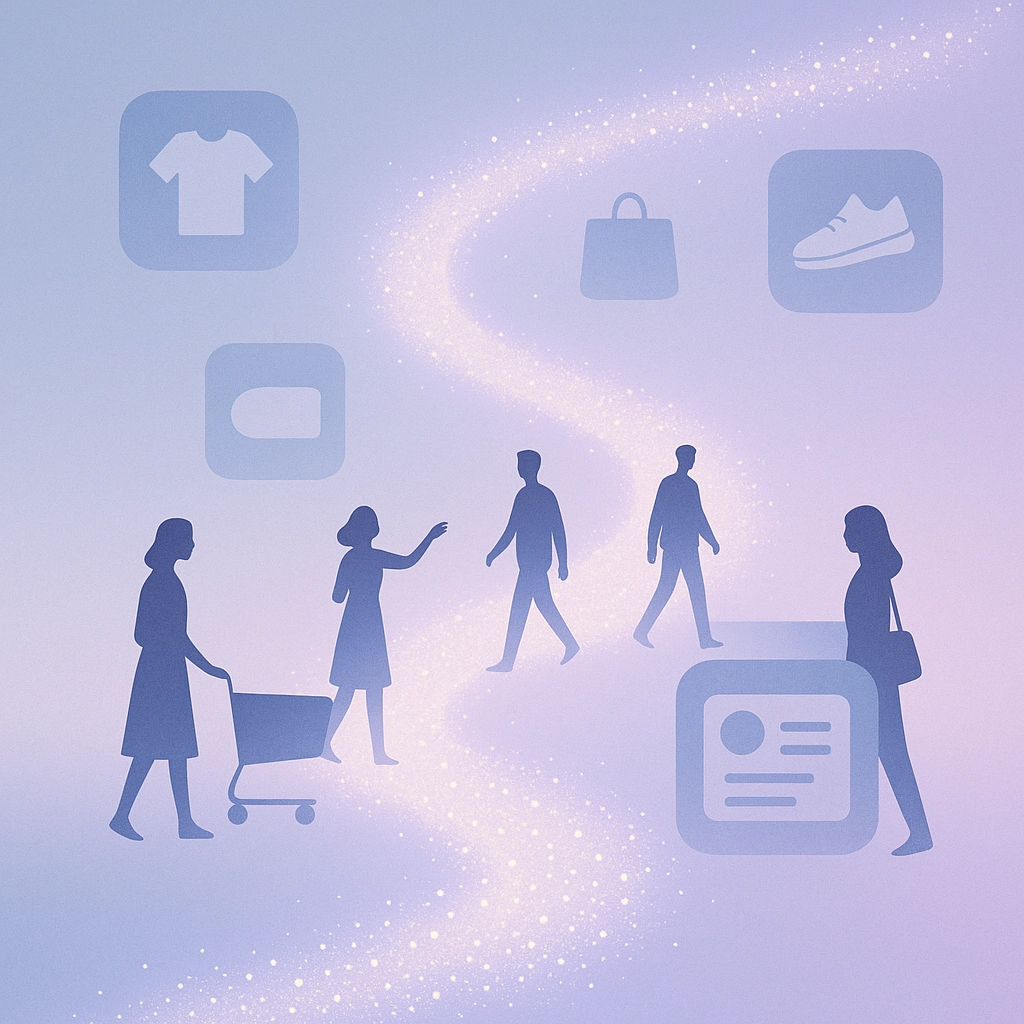
Dynamic Personalisation at Scale—Are You Even Ready?
Real-Time Content Adaptation
AI has tipped the creative-to-creepy scale by delivering dynamic product recommendations and messaging based on live browsing data, abandoned carts, and even the weather outside your customer’s window. It can predict what is most likely to convert—then serves up bespoke ads at the perfect moment.
The effect? Product recommendations actually feel relevant, and you’re not shouting about vegan shampoo to someone who just bought three gallons of dog shampoo and a steak. Brands that dial this in see conversion rates skyrocket, bounce rates drop, and suddenly that “marketing efficiency ratio” looks a whole lot healthier on Monday’s Zoom call.
Hyper-Targeted Campaign Execution
You want proof this works? Remember Cadbury’s wild personalised video ads? By pulling in social and browsing data to generate custom video content for each user, they delivered a 65% higher click-through rate. Starbucks takes it further, pinging geo-personalised offers and sassy push notifications, all while drawing on your last ten flat white purchases. The result: loyalty and spend goes up, with conversions ticking over relentlessly in the background.
Why You Still Need Human PPC Strategists (And Not Just for the Pub Quiz)
All this is very sci-fi, but let’s be honest—AI is still as tone-deaf as a brand Twitter account on a Friday afternoon. Machines can understand numbers; they don’t get nuance, subtext, or know what’s happening in your warehouse or with your influencer drama.
Humans are essential. They bring the big-picture thinking AI can’t replicate: creative messaging, offer strategy, product launch timing, reactive budget shifting, and playing nice with new privacy updates. Human strategists ask if your new “Bamboo Essential Oil Diffuser” will tank or trend, and how to wrap it into your brand story.
The best PPC agencies act as that much-needed reality check, weaving together technical and creative plans so your budget doesn’t end up wasted on the wrong crowd—or worse, on the right crowd, with the world’s dullest ad.
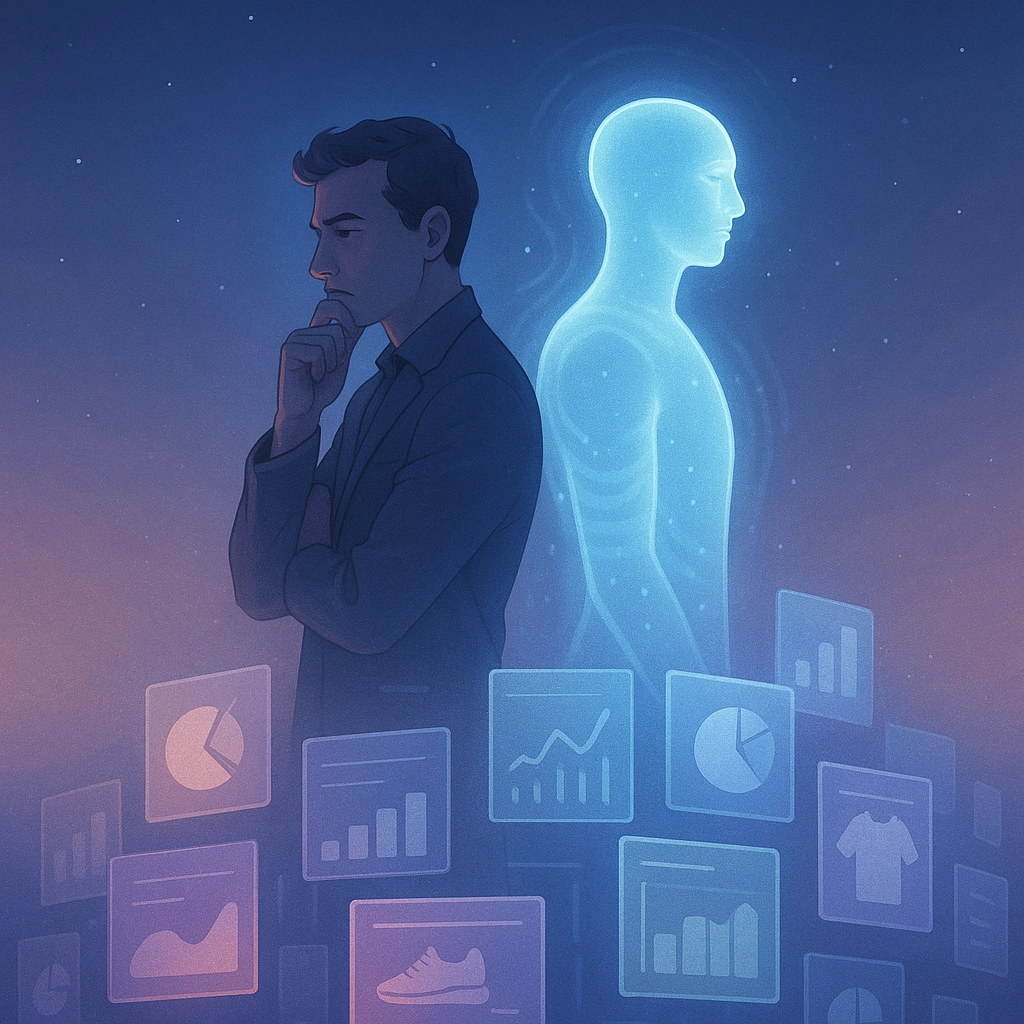
Automated Optimisation, But With Strategic Control
Smart Bidding, Not Stupid Spending
Let’s talk about your budget, shall we? Smart Bidding is AI’s attempt to optimise for your goals. Google’s system blends everything from device and time zone to the football scores to tweak campaign bids in real-time. That means you’re always there at the “buy now” moment—unless your data is trash, in which case you’ll be ruthlessly ignored by the algorithm (sorry, not sorry).
AI’s automation also means routine tasks (like bid tweaks, keyword expansions, and time-of-day adjustments) happen 24/7, rain or shine. But will it sell your inventory in line with your profit margins, seasonality, and unpredictable market freakouts? Unlikely. This is why human oversight is crucial for balancing automation with actual commercial sense.
Performance Monitoring—With a Human Touch
AI delivers relentless campaign monitoring, flagging underperforming ad groups or keywords in seconds. It will never take a weekend, a nap, or a holiday. But only a human can see when performance drops relate to something outside the data—like a supply chain SNAFU, a celebrity deepfake scandal, or, you know, your product going TikTok viral for the wrong reason.
Humans connect the dots, step back, and actually ask “Wait, do our ads even make sense anymore?” Regular reviews led by real marketers create (and kill) creative concepts as market conditions shift beyond what a machine can model. Plus, they’re the only ones brave enough to nuke poorly performing product ads no matter what the algorithm says.
So, What’s The ROI?
Let’s talk numbers. When brands combine AI personalisation and human strategy, the results are… well, what every eCommerce CMO dreams of: conversion rates that make last year look like a rounding error. Surveys show that those who take personalisation seriously see 40% more revenue growth than their competitors. Even more, over 90% of retailers using AI-driven targeting and creative optimisation report strong ROI, not just “soft” metrics like engagement.
And don’t forget: 76% of online consumers now say they expect personalisation, every step of the way. If you’re still sending one-size-fits-all product ads, you’re not just underperforming, you’re actively annoying your best prospects (and let’s be honest, probably paying too much per click for the privilege).
How Do You Actually Implement This? (And Not Fluff It)
1. Data Layer First, Everything Else Second
Start by collecting the right data—first-party behavioural analytics, campaign results, and website activity. Without solid inputs, your AI won’t predict anything useful. Dirty data equals dirty ads.
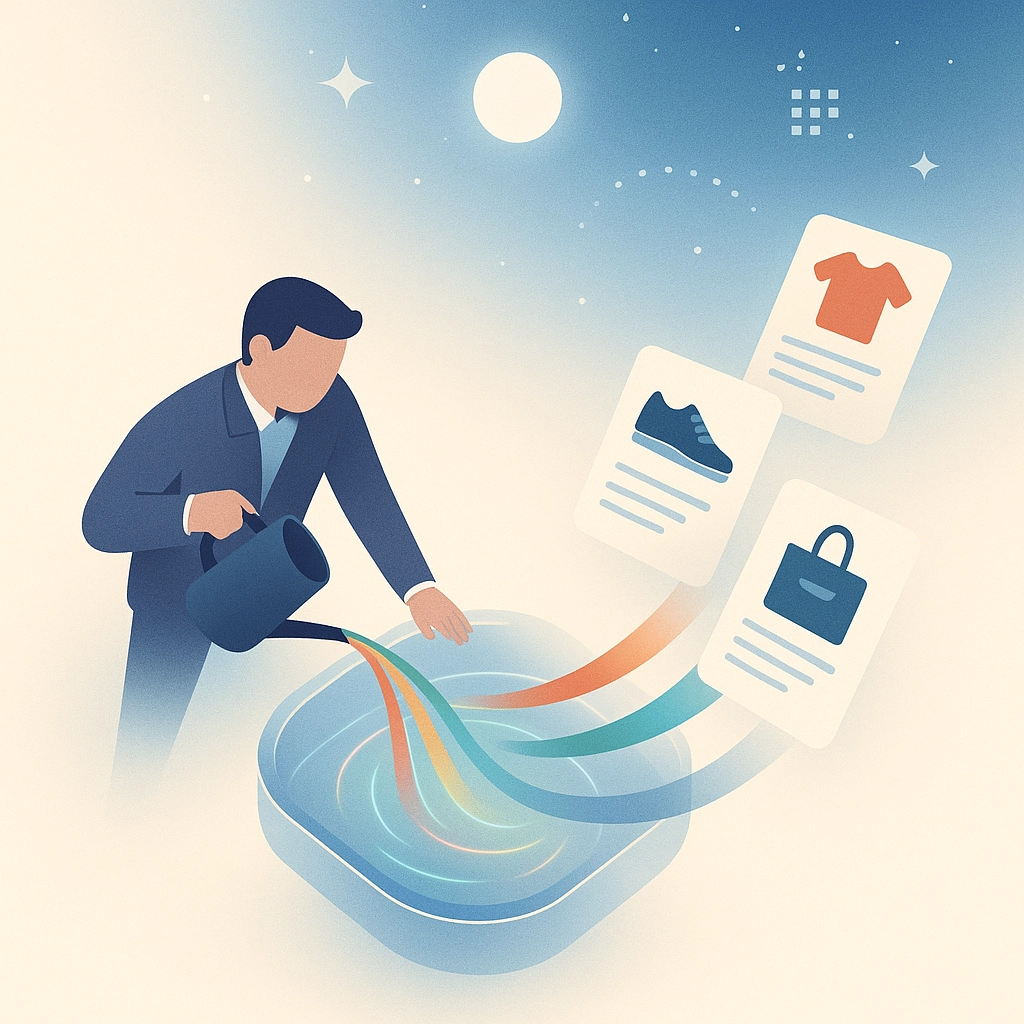
2. Let the Machines Work—But Direct the Strategy
Automate the heavy lifting, but keep creative and budgeting decisions human-led. Let AI experiment and iterate on copy, placements, and bids, but always review results through the lens of brand goals, commercial targets, and actual customer feedback.
3. Test, Break Things, Test Again
Don’t “set and forget.” Build a process for regular experiment cycles combining automated insights with human hypotheses. Kill what doesn’t work and double down on what scales, always with one eye on the latest market shifts.
4. Don’t Forget Landing Pages (Really)
Your ad personalisation is only half the job. Point those bespoke clicks to landing pages remarkable enough to justify the click. That means fast, mobile-friendly, and packed with trust signals. If your checkout still looks like it was built in the early 2010s, you’re just burning PPC cash.
5. Keep Your Humans Curious
Train your internal teams and agency partners to ‘think like AI’ but act like creative directors. The more curiosity and experimentation in your strategy, the bigger the edge over the autopilot crowd—those are your PPC zombies, not your competitors.
Your Next Step
Ready to build campaigns that are as strategic as they are scalable? Want a PPC partner who knows when to let the robots run wild, and when to pull them back into line? Chat to JudeLuxe’s PPC experts—where human intuition and AI optimisation genuinely work together for commercial impact.
Curious about more ways to bring commercial focus to your eCommerce PPC? Dive into our latest insights at JudeLuxe Blog.
Still think you can outsmart both the robots and the competition on your own? Good luck. But if you’d rather grow profitably and sustainably, you know where to find us.