Chasing Impressions? That's So 2016, Here's What Actually Grows Your Business
- jax5027
- Sep 3
- 4 min read
Picture this: It's 2016. You're in skinny jeans (probably), dabbing unironically, and absolutely buzzing about your Google Ads campaign because it's getting millions of impressions. Fast forward to 2025, and if you're still leading with impression counts in your monthly reports, you're basically the marketing equivalent of someone still using Internet Explorer.
Let's have an uncomfortable chat about why chasing impressions is like collecting Pokémon cards as a retirement strategy, nostalgic, but utterly useless for actual wealth building.

The Impression Obsession: A Love Story Gone Wrong
Remember when getting a million impressions felt like winning the lottery? Back when we thought more eyeballs automatically meant more sales? Those were simpler times, when we believed that if enough people saw our ads, surely someone would buy something.
Spoiler alert: They didn't.
The harsh reality is that impressions are the participation trophy of digital marketing. They're what you show your boss when you need to prove you're "doing marketing stuff" but can't actually point to any real business growth. It's like bragging about how many people walked past your shop without mentioning that none of them actually came in.
Here's the thing that no one wants to admit: your customers don't pay you in impressions. They pay you in pounds sterling. And if your campaigns are optimised for impressions rather than profit, you're essentially paying Google to show your ads to people who will never, ever buy from you.
What Actually Moves the Needle in 2025
While you've been obsessing over reach and frequency, the smartest eCommerce brands have quietly shifted to what actually matters: profit-first metrics that directly correlate with business growth.

The Three Pillars of Profitable PPC
First: Know Your Numbers (The Real Ones)
Your Customer Lifetime Value (CLV), your actual profit margins, your contribution margin after all costs, these aren't just nice-to-know figures. They're the foundation of every decision you make. If you don't know that your average customer is worth £127 over 18 months, how can you possibly know what you should bid for a click?
The brands winning in 2025 aren't asking "How many people saw our ad?" They're asking "How much profit did we generate per pound spent?" It's a completely different conversation, and it leads to completely different results.
Second: Target Intent, Not Attention
There's a massive difference between someone scrolling past your Display ad whilst watching cat videos and someone actively searching "buy running shoes size 9 UK delivery tomorrow." One of these people has their wallet out. The other is procrastinating at work.
The smartest PPC strategies focus relentlessly on capturing high-intent traffic, people who are already in buying mode. This means prioritising Search campaigns over Display, Shopping campaigns over broad targeting, and always, always optimising for actions that lead to sales rather than just engagement.
Third: Build Systems That Scale Profitably
This isn't about finding one winning ad and riding it forever. It's about creating repeatable processes that consistently identify profitable opportunities, test them efficiently, and scale the winners whilst killing the losers quickly.

The Metrics That Actually Matter
Let's bin the vanity metrics and focus on what pays the bills:
Return on Ad Spend (ROAS), but not the fake kind that includes brand awareness value. Real ROAS based on actual revenue attributed to your campaigns. If you're not consistently hitting 4:1 or better for most eCommerce categories, you're not trying hard enough.
Customer Acquisition Cost (CAC), how much you're actually paying to acquire a customer, not just a click. This includes all the clicks that didn't convert, all the campaigns that didn't work, and all the optimisation time your team spent.
Profit per Click, the holy grail metric that combines your conversion rate, your average order value, and your profit margins into one number that tells you exactly how much each click is worth to your business.
Time to Payback, how long it takes for a new customer to generate enough profit to cover their acquisition cost. If this is longer than your cash flow cycle, you're in trouble.
Making the Mental Shift
The hardest part isn't learning new metrics, it's unlearning the old mindset. You need to stop thinking like a traditional marketer and start thinking like a growth investor.
Every pound you spend on advertising is an investment that should generate a measurable return. If you can't draw a direct line from your ad spend to your profit, you're not doing marketing, you're just burning money with extra steps.
This means saying no to campaigns that look impressive but don't drive profit. It means killing creative that gets engagement but doesn't convert. It means focusing on boring, profitable keywords instead of trendy, expensive ones.

The Practical Playbook
Start with Profit Margins
Before you bid on a single keyword, know your numbers. What's your gross margin? What are your fulfilment costs? What's your returns rate? Build these into your bidding strategy from day one, not as an afterthought.
Implement Proper Attribution
Google Analytics' last-click attribution is lying to you. Implement enhanced eCommerce tracking, set up proper conversion values, and use data-driven attribution models that actually reflect your customer journey.
Optimise for Lifetime Value
Stop optimising campaigns for first-purchase ROAS and start optimising for customer lifetime value. This completely changes which keywords you target, which audiences you build, and how aggressive you can be with your bidding.
Test Systematically
Every change should be a hypothesis with a clear success metric. "Let's try Performance Max" isn't a strategy: it's hope. "Let's test Performance Max against our existing Search campaigns using profit per conversion as our success metric over 30 days" is a strategy.
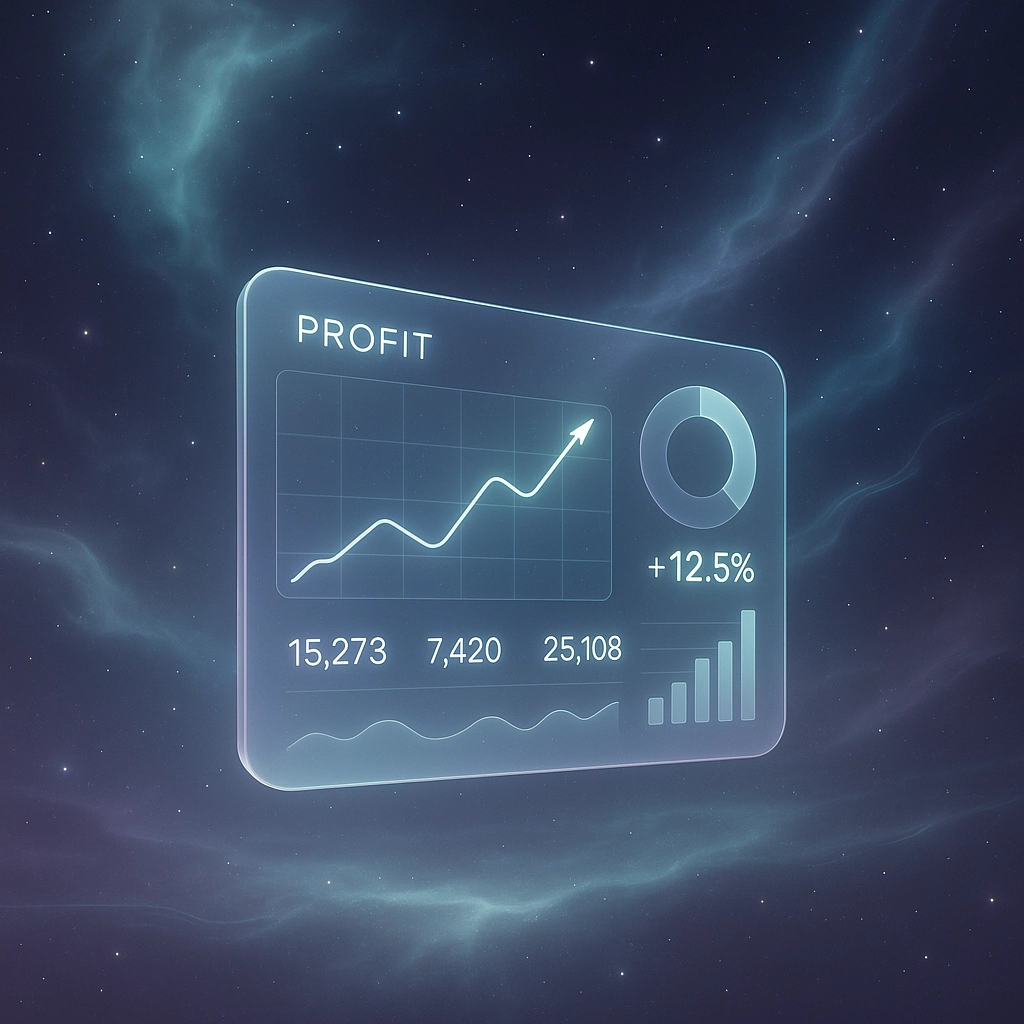
The brands that win in 2025 won't be the ones with the prettiest dashboards or the most impressive reach numbers. They'll be the ones that consistently generate more profit per pound spent than their competitors. They'll have boring spreadsheets full of profitable campaigns rather than flashy presentations full of vanity metrics.
The choice is yours: keep chasing impressions like it's 2016, or join the profit-first revolution that's actually growing businesses. Just remember that whilst you're bragging about your reach, your competitors are counting their profits.
Want to see what profit-first PPC actually looks like in practice? Our signal-based approach focuses on the metrics that actually matter for eCommerce growth.